This Tofu Buddha Bowl brings golden tofu, fluffy quinoa, and crisp vegetables together in one filling meal. A lemon-tahini sauce adds a creamy finish without dairy. Each bite has a little crunch, a little tang, and plenty of texture. Prep the vegetables while the quinoa cooks, then build your bowl just before serving.
Why I Love This Recipe
There is a lot to enjoy in a bowl that balances warm grains with cool, crisp vegetables. The tofu has browned edges without a heavy coating, and the sauce ties everything together. You can keep the parts separate for lunches or set them out for a simple build-your-own dinner.
- A full meal: Tofu, quinoa, and vegetables share the same bowl.
- Good texture: Tender tofu centers meet crisp cabbage and juicy cucumber.
- Simple sauce: Tahini, lemon, and water turn into a creamy drizzle.
- Easy to prep ahead: Cook the grains and tofu before you need them.
- Plant-based ingredients: No eggs, meat, or dairy are needed.
What You’ll Need
- Servings: 2 generous bowls
- Prep Time: 20 minutes
- Cook Time: 25 minutes
- Total Time: 45 minutes, including quinoa resting time and overlapping tasks
For the quinoa and tofu:
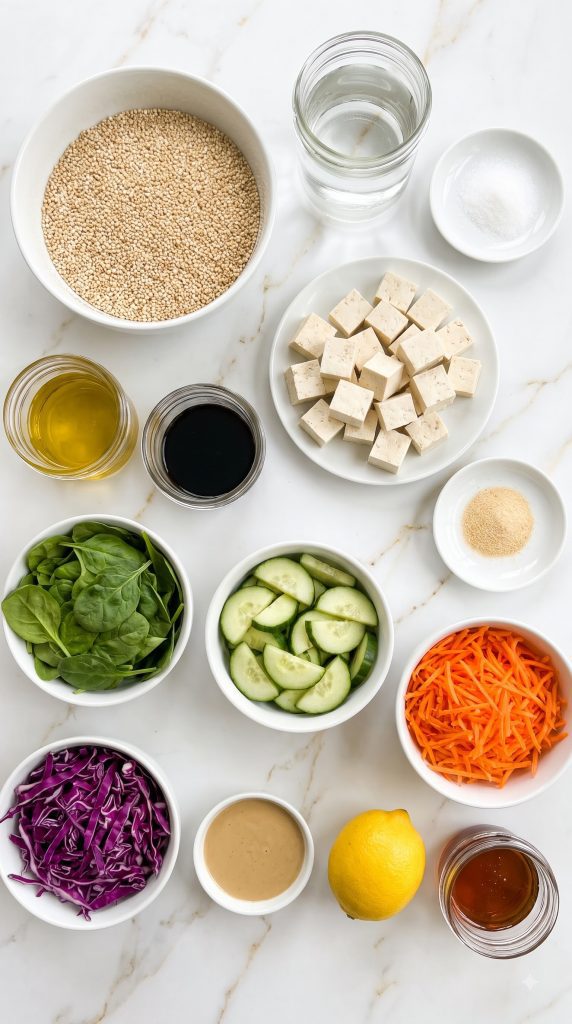
- 1/2 cup dry quinoa, rinsed and drained
- 1 cup water
- 1/4 teaspoon fine salt
- 1 package (14 ounces) extra-firm tofu, drained
- 1 tablespoon olive oil
- 1 tablespoon reduced-sodium soy sauce
- 1/2 teaspoon garlic powder
For the vegetables:
- 2 cups baby spinach, washed and dried
- 1 cup cucumber, cut into thin half-moons
- 1 cup shredded carrot
- 1 cup finely shredded purple cabbage
For the lemon-tahini sauce:
- 3 tablespoons well-stirred tahini
- 2 tablespoons fresh lemon juice
- 3 tablespoons water, plus up to 1 tablespoon more if needed
- 1 teaspoon maple syrup
- 1/8 teaspoon fine salt
Use extra-firm tofu, rather than silken tofu, so the cubes hold their shape. Stir the tahini in its jar before measuring; separated oil can make the sauce too thin while the paste below stays stiff.
Tools You Need
- 2-quart stainless-steel saucepan with a lid
- Fine-mesh strainer
- 12-inch nonstick skillet
- Medium clear glass mixing bowl
- Small clear glass mixing bowl
- Wooden cutting board and kitchen knife
- Measuring cups and spoons
- Whisk, fork, and silicone spatula
- Clean kitchen towel for drying tofu
- Two shallow serving bowls
How to Make Tofu Buddha Bowl
Start the quinoa first, then prep and cook the tofu while the grains simmer.
Step 1: Cook the Quinoa
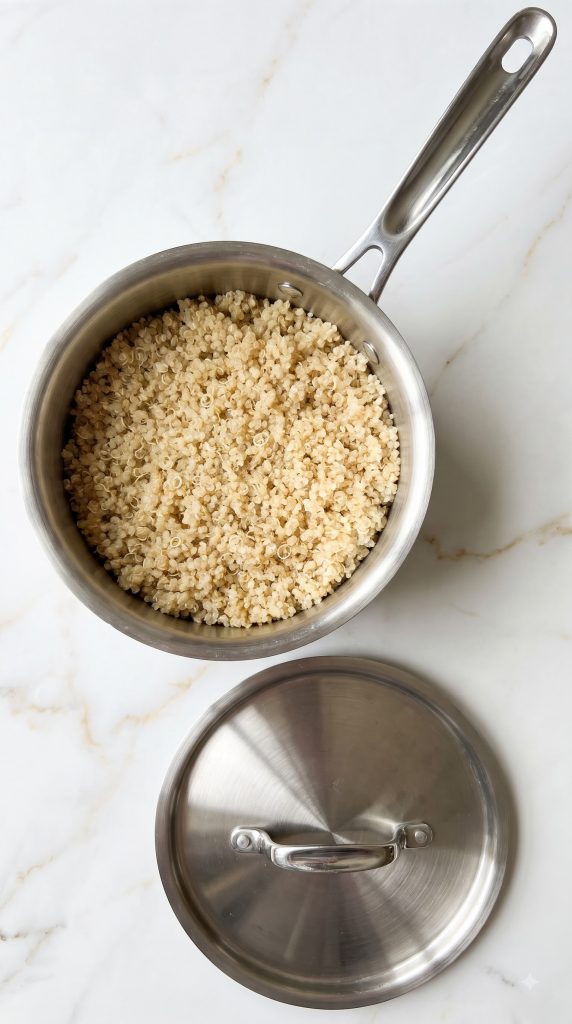
Put 1/2 cup rinsed and drained dry quinoa, 1 cup water, and 1/4 teaspoon fine salt in a 2-quart saucepan.
Bring to a boil over medium-high heat, then cover and lower the heat to a gentle simmer for 15 minutes, until the water is absorbed and the grains are tender.
Take the pan off the heat, leave it covered for 5 minutes, then fluff with a fork. You should have about 1 1/2 cups cooked quinoa.
Step 2: Dry and Season the Tofu
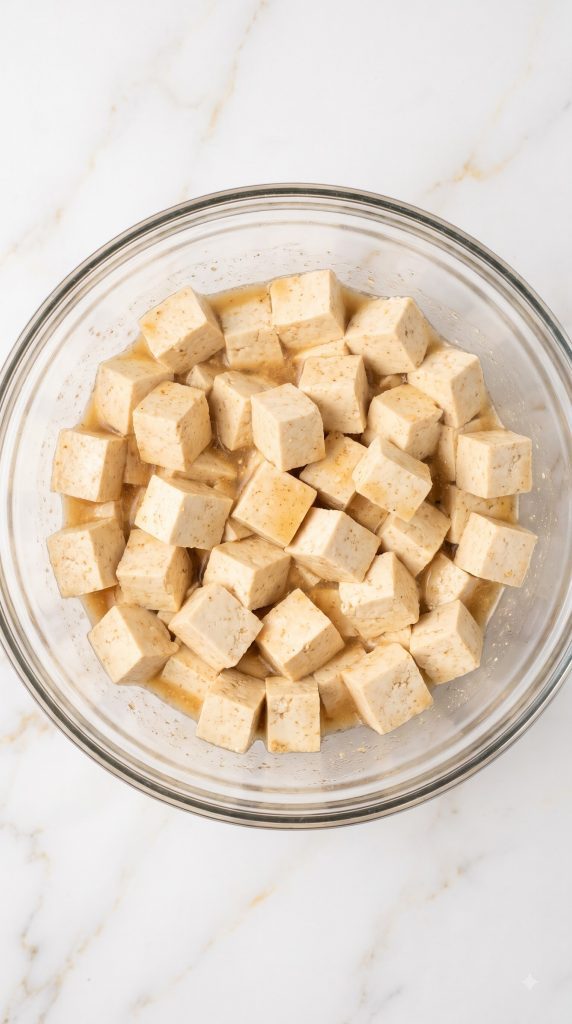
While the quinoa cooks, wrap 14 ounces drained extra-firm tofu in a clean towel and press gently under a plate for 10 minutes. Pat dry, then cut into 3/4-inch cubes.
Place the cubes in a medium glass bowl and gently toss with 1 tablespoon reduced-sodium soy sauce and 1/2 teaspoon garlic powder until evenly coated.
Step 3: Pan-Sear the Tofu
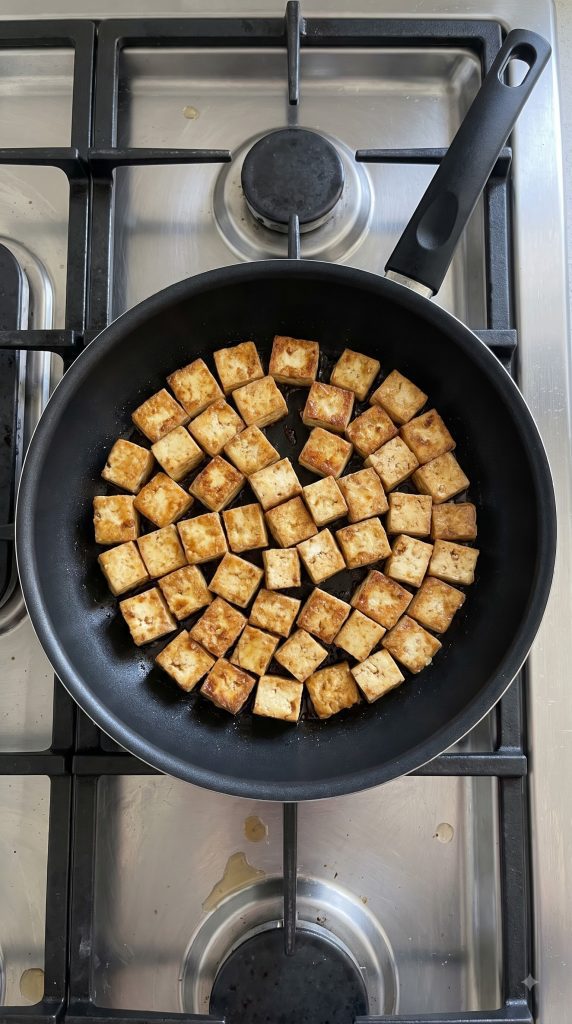
Heat 1 tablespoon olive oil in a 12-inch nonstick skillet over medium-high heat for 1 minute.
Add all the seasoned tofu from 14 ounces extra-firm tofu, including any soy sauce left in the bowl, in a single layer.
Cook for 10 to 12 minutes, turning gently every 2 to 3 minutes, until several sides are golden brown and the centers stay tender. Lower the heat to medium if the soy sauce starts to catch; do not cook until the cubes feel hard or dry.
Step 4: Make the Lemon-Tahini Sauce
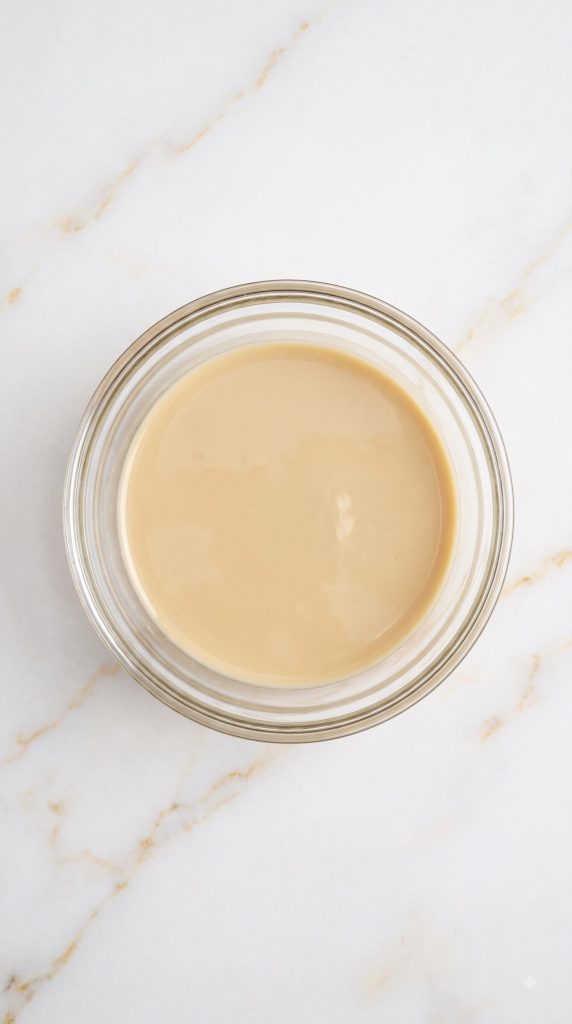
In a small glass bowl, whisk 3 tablespoons well-stirred tahini, 2 tablespoons fresh lemon juice, 3 tablespoons water, 1 teaspoon maple syrup, and 1/8 teaspoon fine salt until smooth.
If it looks thick at first, keep whisking for 30 seconds. Add up to 1 tablespoon more water, 1 teaspoon at a time, only as needed to make a narrow, pourable ribbon.
The finished sauce should be smooth, pale beige, and creamy, with a warm sesame flavor and a fresh lemon bite.
Step 5: Assemble and Serve
Divide the cooked quinoa made from 1/2 cup dry quinoa between two bowls, about 3/4 cup cooked quinoa per bowl.
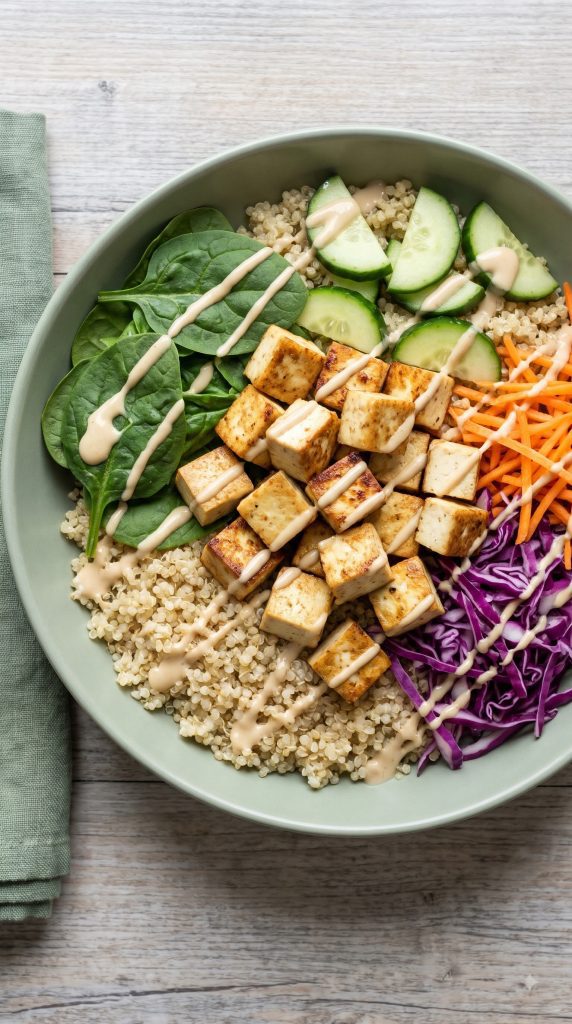
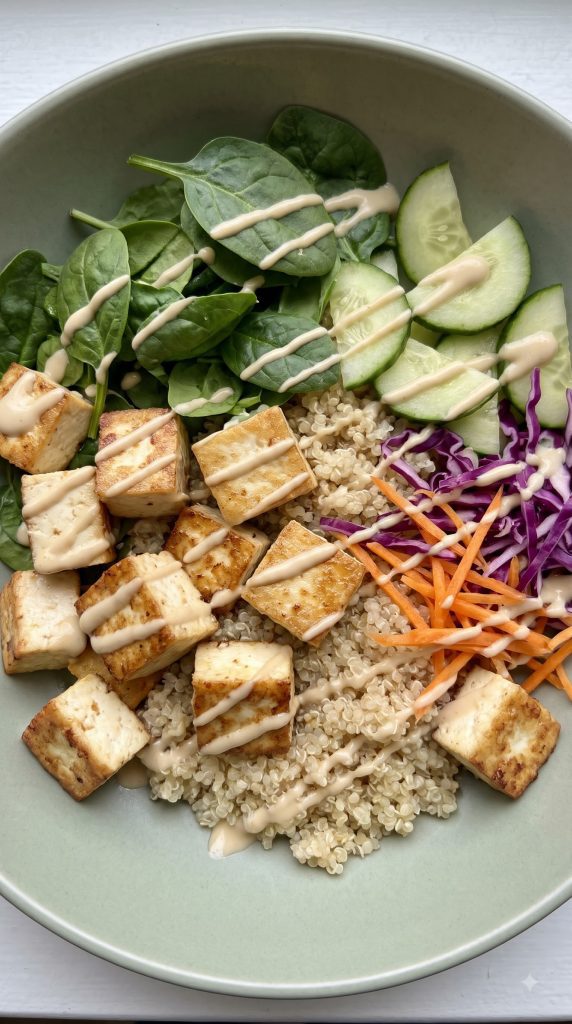
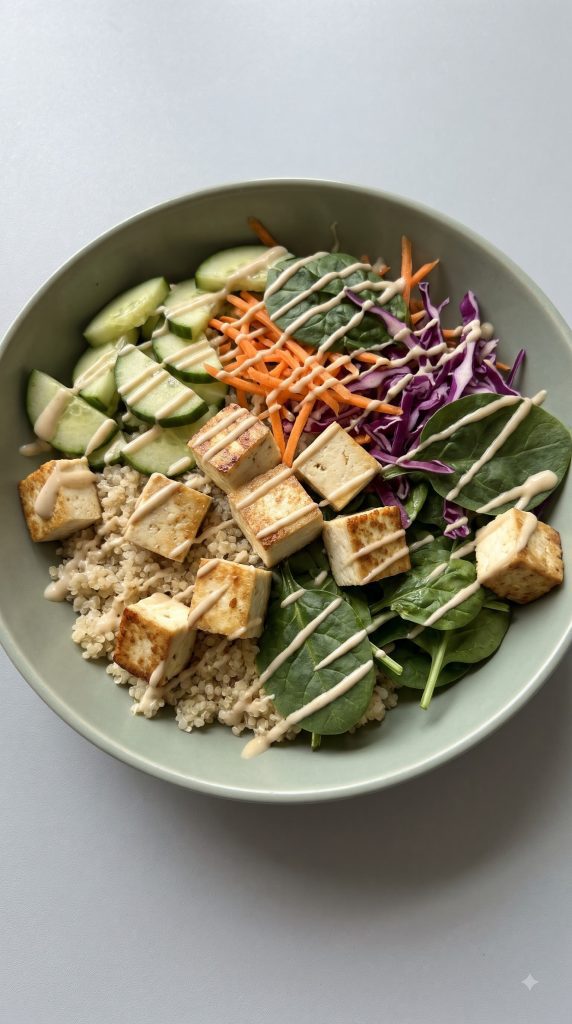
Divide the cooked tofu from 14 ounces extra-firm tofu, 2 cups baby spinach, 1 cup cucumber half-moons, 1 cup shredded carrot, and 1 cup shredded purple cabbage evenly between the bowls. Keep the vegetables in loose clusters so each bite can include something crisp.
Drizzle 2 tablespoons prepared lemon-tahini sauce per bowl in narrow, delicate zigzag lines across the entire surface, including the tofu and all vegetable toppings. Serve the remaining sauce separately for adding to taste.
Serve right away as a complete meal with the quinoa and fresh vegetable mix. For a larger spread, offer optional warm pita wedges on the side.
Why This Recipe Works (Quick Science)
Drying the tofu removes surface water so it can brown instead of sitting in a wet pan. Leaving the cubes still for a few minutes helps a crust form, while turning them gently protects their soft centers. A wide skillet gives the moisture room to escape.
Quinoa soaks up its cooking water, then finishes softening during the covered rest. Tahini contains sesame solids and oil; whisking in lemon juice and water turns it into a smooth sauce. It may tighten at first, but more whisking and a little measured water loosen it into a drizzle. The fresh vegetables add crunch without needing another pan.
Common Mistakes to Avoid
- Using wet tofu: A damp surface makes browning slower and can cause splatters. Dry the tofu well before seasoning.
- Crowding a small pan: Use the listed wide skillet so the cubes fit in a single layer.
- Turning too soon: Give each side time to brown before moving it.
- Overcooking the cubes: Stop when several faces are golden and the centers are still tender.
- Making thick sauce: Add the measured extra water slowly until the sauce falls in a narrow ribbon.
- Dressing everything ahead: Fresh vegetables hold their crunch better when the sauce stays separate until serving.
What to Serve With Tofu Buddha Bowl
The quinoa, spinach, cucumber, carrot, and cabbage make this bowl a complete meal on their own. Keep some extra lemon-tahini sauce at the table for anyone who wants more. Optional warm pita wedges are a simple side when you want a larger meal; they are not included in the nutrition estimate.
Substitutions and Variations
- Change the grain: Replace the cooked quinoa with the same amount of cooked brown rice. Follow the rice package directions rather than the quinoa cooking time.
- Swap the greens: Use chopped romaine in place of baby spinach for more crunch.
- Make it gluten-free: Use certified gluten-free tamari instead of soy sauce and skip the optional pita or choose a gluten-free version.
- Try different vegetables: Thin radish slices or shredded green cabbage can replace some of the raw vegetables in equal amounts.
Make-Ahead and Storage
Keep the cooked quinoa, cooked tofu, dry raw vegetables, and sauce in separate covered containers in the refrigerator. Assemble within 3 days for the best texture. The cucumber may release water, so keep it apart from the greens.
The sauce can thicken in the refrigerator. Stir in water a teaspoon at a time until it pours again. Warm the quinoa and tofu in a skillet over medium-low heat with a small splash of water, or serve them cool. Add the fresh vegetables and sauce after reheating.
Macros Information
Estimates per serving, based on two bowls and all the prepared sauce; brands, tofu firmness, and the amount of sauce eaten will change the numbers.
- Calories: 610
- Protein: 34 g
- Carbohydrates: 51 g
- Fat: 32 g
- Saturated Fat: 4 g
- Fiber: 10 g
- Sugar: 9 g
- Sodium: 660 mg
Frequently Asked Questions (FAQ)
Q: What is a Buddha bowl?
A: It is a bowl-style meal that often combines grains, vegetables, plant-based protein, and a sauce. This version uses quinoa, tofu, and raw vegetables.
Q: Can I use firm tofu instead of extra-firm?
A: Yes, but press it well and handle it gently. It has more moisture and may break more easily when turned.
Q: Do I need cornstarch for crispy tofu?
A: No. This recipe gets browned edges from a dry surface and direct contact with the skillet. The crust is light rather than thick or crunchy all over.
Q: Can I use cooked quinoa?
A: Yes. Use 1 1/2 cups cooked quinoa for two bowls and skip the dry quinoa, its cooking water, and its salt. Warm it before assembling if you like.
Q: Why did my tahini sauce turn stiff?
A: Tahini can tighten when lemon juice first meets the sesame paste. Keep whisking, then add the listed extra water a little at a time until smooth.
Q: Is Tofu Buddha Bowl vegan?
A: Yes. The main recipe uses tofu, grains, vegetables, tahini, and maple syrup, with no animal ingredients. Check any optional bread you serve alongside it.
Q: Can I eat this bowl cold?
A: Yes. Chilled cooked tofu and quinoa work well with the fresh vegetables. Keep everything refrigerated until you are ready to assemble.
Q: How do I keep the vegetables crisp for lunch?
A: Pack them dry and separate from the warm grains and sauce. Combine them just before eating.
Q: Can I freeze the finished bowls?
A: Freeze the cooked quinoa and tofu separately if needed. Keep cucumber, spinach, carrot, cabbage, and sauce fresh for a better finished texture. Frozen tofu becomes more chewy and sponge-like after thawing.
Final Thoughts
Tofu Buddha Bowl is a simple way to put grains, protein, and fresh vegetables in one satisfying meal. Keep the tofu tender, the vegetables crisp, and the sauce easy to drizzle. Leave a comment with your favorite vegetable swap or tell us how you served your bowl. Happy cooking!